Brand heritage
The Ford Capri Revival and the Risk of Borrowing From Brand Heritage
Reviving a famous product name creates instant recognition, but it also inherits decades of expectation. The more familiar the old name, the more carefully a new product has to explain why it belongs to it.
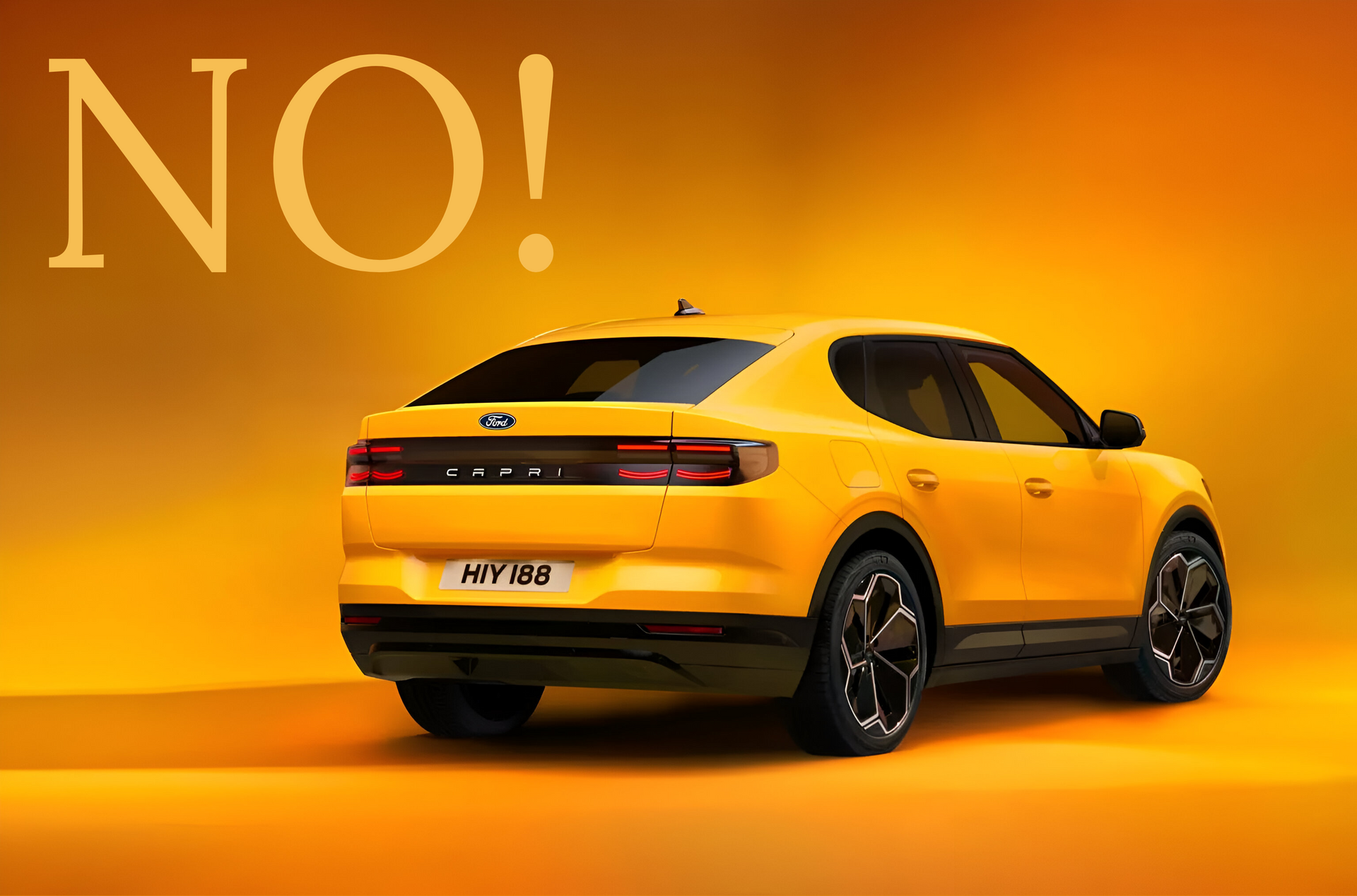
Ford bringing the Capri name back for a new electric SUV coupe raises a stronger branding question than whether the new vehicle should exist: what happens when a famous name is attached to a product that differs substantially from the memory people associate with it?
A heritage name is not an empty label. It carries shape, era, advertising, ownership memories and cultural associations. Reusing it can create attention instantly, but that attention arrives with expectations the new product did not create for itself.
Recognition is the reward and the constraint
Launching under an established name gives a new product something a new name cannot buy immediately: familiarity. People already know how to pronounce it, remember it and attach meaning to it. The cost is that they also arrive with an idea of what the name is supposed to represent.
That makes heritage branding a negotiation between old recognition and new relevance. If the new product is very different, the marketing has to bridge the distance rather than assuming nostalgia will do the work automatically.
Design resemblance is only one way to create continuity
A revived product does not have to imitate its predecessor literally. Continuity can come from proportion, attitude, naming, graphic language, performance positioning or the kind of customer promise the product makes. The important point is that the relationship should feel intentional rather than accidental.
When very little visual or functional continuity remains, the name has to carry more of the explanation. That can make the launch conversation focus on whether the badge belongs instead of on the qualities of the new product itself.
Nostalgia can open the door but cannot settle the argument
The 2024 Capri campaign deliberately referenced the older Capri and used that contrast as part of the launch idea. That is a logical way to acknowledge the history, but it also makes the difference between the two products part of the message.
The broader marketing approach lesson applies well beyond cars: recognition is valuable only when the customer can connect the old expectation to the new proposition without too much explanation.
Heritage should be treated as borrowed trust
- Understand what customers already associate with the name before reusing it.
- Decide which parts of that meaning still belong to the new product.
- Create visible continuity where it strengthens the proposition rather than adding nostalgia for its own sake.
- Explain major changes clearly instead of relying on recognition to smooth them over.
- Judge the new product on whether it can eventually earn meaning of its own.
A famous name can make people look. It cannot decide what they think once they have looked. That is why reviving a brand asset is powerful and risky at the same time: the recognition is inherited immediately, but the relevance still has to be earned again.