Beauty and brand
The Evolution of Look Fantastic Branding
Beauty retail is a useful study in how a brand has to hold together across ecommerce, editorial content, creators, offers, physical environments and thousands of individual products that already carry identities of their own.
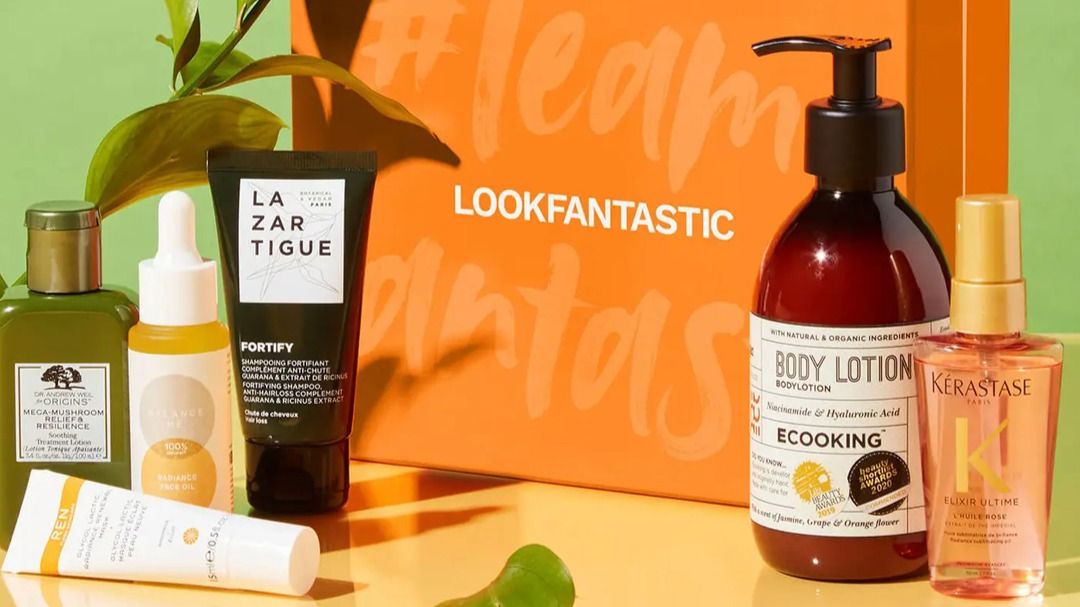
Beauty retail creates an unusual branding problem. The retailer needs a recognisable identity of its own while presenting hundreds of other brands, each with different packaging, photography, tone and visual language. Too much retailer branding can compete with the products. Too little can make the experience feel like an anonymous catalogue.
Look Fantastic is useful to study because its identity has to work across ecommerce, editorial content, promotional messaging, creator activity and a very broad product range. The brand is therefore experienced through a system rather than through one logo application.
The retailer has to frame other brands without disappearing
In multibrand retail, much of the visual attention belongs to the products. The retailer creates recognition through navigation, typography, campaign structure, photography choices, tone and the consistency of the buying experience around those products.
That is a useful lesson beyond beauty. A strong identity does not need to dominate every screen. It can provide enough structure that the customer always knows where they are while allowing the thing being sold to remain central.
Editorial content can turn a retailer into a source of guidance
Independent beauty publishers and creators such as Nicola Londors add another layer to the customer journey. People may encounter a product through a review, routine, comparison or recommendation before arriving at a retailer at all.
That changes the role of retail branding. The website is not always the first point of persuasion. It may be the place where earlier interest is confirmed, where price and availability are checked and where trust has to survive the move from editorial recommendation to transaction.
Creator culture changes how recognition travels
Creators such as Molly-Mae Hague can bring significant profile into beauty and lifestyle marketing, with audiences increasingly moving between creator identity, product identity and retailer identity in the same buying journey.
That relationship is one reason beauty product sales via influence deserve to be understood as a trust problem as much as a reach problem. The creator has to remain credible, the product has to match the recommendation and the retailer experience has to support what brought the customer there.
Physical and digital environments should reinforce one another
For a customer visiting its store or another beauty retail environment, signage, displays, product grouping and navigation have the same basic job as the ecommerce interface: reduce friction while preserving the character of the brand.
The medium changes, but the customer still needs orientation, confidence and enough visual consistency to connect the physical and digital experience.
A retail brand is built from repeated small decisions
- Create enough retailer identity to frame the product range without overwhelming it.
- Use navigation and hierarchy as part of the brand experience.
- Let creator and editorial content add context rather than replacing product information.
- Keep promotional messages recognisable without making every interaction feel like a sale banner.
- Make physical and digital touchpoints feel like parts of the same organisation.
The useful branding lesson is not a particular colour, campaign or layout. It is the way a retailer can remain recognisable while constantly changing the products, promotions and stories inside the frame.