Beauty marketing
CBD Beauty Marketing: What Brands Should Learn From a Difficult Category
CBD beauty became a useful case study in how quickly a fashionable ingredient can acquire a marketing story. The interesting lesson is not whether the ingredient works. It is how brands should communicate when customer curiosity moves faster than certainty.
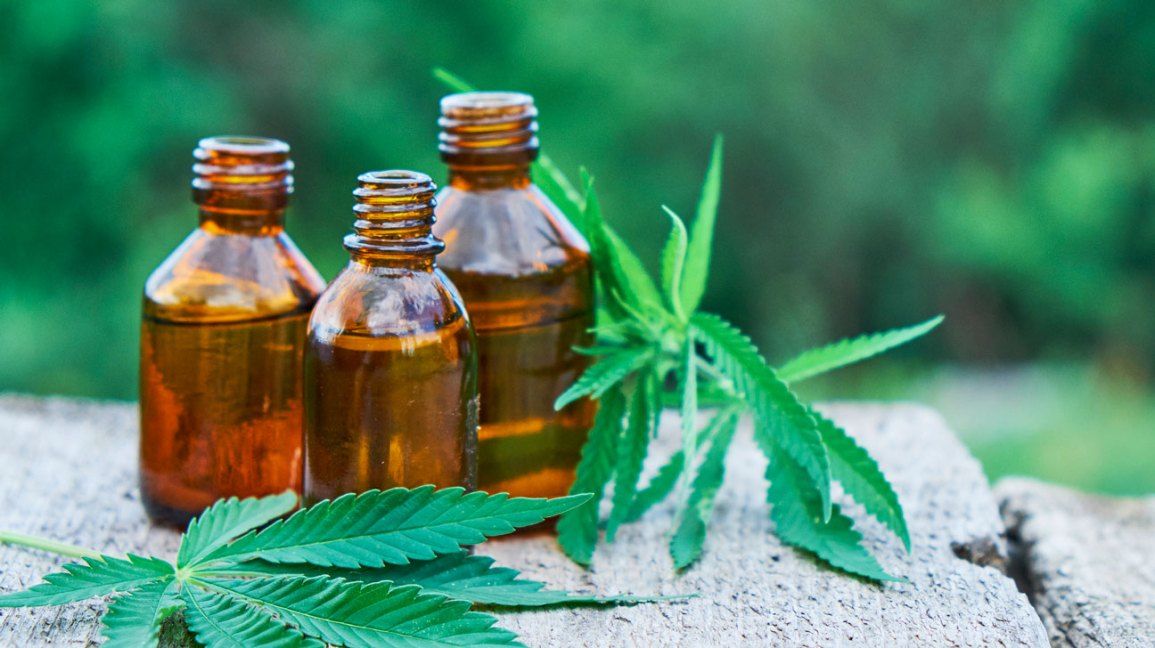
Beauty marketing often moves in waves. A new ingredient becomes visible, product launches multiply and the ingredient begins to carry a story larger than the formulation itself. CBD was a particularly clear example because consumer curiosity, wellness language and regulatory sensitivity all arrived in the same conversation.
An ingredient name can become a brand shortcut
Once an ingredient becomes fashionable, the name itself starts doing marketing work. It can imply novelty, naturalness or technical interest before the customer has examined the actual formulation. That makes the packaging and campaign feel efficient, but it also creates a temptation to let association replace explanation.
A more credible approach is to explain what the product is, what the brand is claiming and what it is not claiming. The ingredient can be part of the story without being asked to carry promises that the evidence does not support.
Claims need more discipline in fashionable categories
Words such as calming, restorative, natural and therapeutic can sound soft while still implying a great deal. Beauty brands need to be careful that tone does not create a stronger health claim than the product information can justify.
The safest creative route is usually the clearest one: describe the product experience, formulation and intended cosmetic use accurately, then allow customers to make their own judgement. Marketing becomes more trustworthy when it resists the urge to turn every ingredient trend into a transformation story.
Influencer content works best when it stays observational
A beauty review such as Nicola Londors’ coverage of the L’Occitane Lavande CBD collection is most useful when it describes the product, texture, packaging and personal experience without turning an individual reaction into a universal medical claim.
That distinction matters because creator trust is easy to spend. An audience may accept enthusiasm, but repeated overstatement eventually weakens the credibility that made the partnership useful in the first place.
Transparency is a stronger long term strategy than hype
- Explain the role of the ingredient without making it responsible for every benefit.
- Keep cosmetic language separate from medical or therapeutic claims.
- Make sponsorship and commercial relationships clear.
- Use creators who can describe the product in context rather than repeat a script.
- Treat uncertainty as something to communicate honestly rather than hide.
The broader lesson extends beyond CBD. Every fashionable ingredient eventually loses the novelty that first made it easy to market. Brands that built the story on clarity, product quality and trust still have something left when the trend moves on.