Signs and materials
Engraved Signs in London: Choosing the Right Material and Finish
Engraving is useful because the information becomes part of the material rather than sitting only on the surface. The result can feel permanent, precise and appropriate for buildings, plaques, offices and identification where longevity matters.
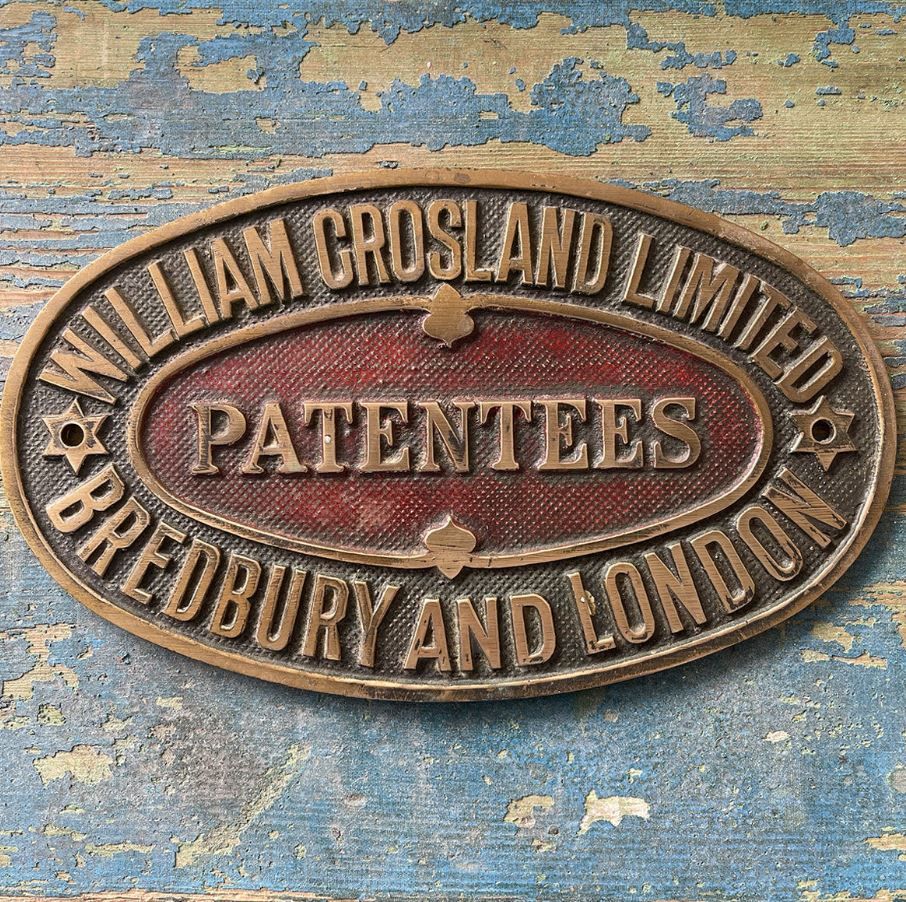
Engraved signage has a different character from a printed panel or applied vinyl graphic. The mark is cut into the face, so the material itself becomes part of the message. That can suit entrances, plaques, directories, office signs and identification where the sign needs to feel permanent rather than temporary.
Premium Signs produces engraved signs in London for applications where material, finish and legibility need to be considered together. The starting point should be the environment rather than a preferred material chosen in isolation.
Brass creates warmth and formality
Brass is often chosen when the sign needs a traditional, architectural or ceremonial quality. It can work particularly well for plaques and entrances where the surrounding materials already include stone, timber or darker painted finishes.
Brass signs can work especially well where the surrounding architecture already carries warmer metals, stone or timber and where the sign needs to feel established rather than temporary.
The important consideration is maintenance and the intended finish. A highly polished surface has a different character from satin brass, and the way the metal changes over time should be considered as part of the design rather than as an afterthought.
Stainless steel feels cleaner and more contemporary
Stainless steel can suit modern offices, apartment buildings and commercial interiors because it feels precise without becoming decorative. Brushed finishes are often easier to live with than mirror finishes because they control reflections and fingerprints while still reading as a premium material.
For a wider building scheme, engraved plaques can sit alongside other signs in London or more specific office signs in London. The materials do not all need to match, but the hierarchy and visual language should feel intentional.
Where a scheme includes several departments, entrances or internal destinations, repeated office signs in London should follow the same hierarchy so visitors do not have to relearn the system from one space to the next.
Acrylic and dimensional lettering solve different jobs
Not every permanent sign needs to be engraved metal. bespoke acrylic sign can create a cleaner graphic surface, while 3D lettering gives names and logos physical depth. The right choice depends on viewing distance, lighting, architecture and how much visual weight the sign should carry.
The design should respect the manufacturing process
- Keep small engraved text large enough to remain clear at the real viewing distance.
- Choose line weights that can be manufactured cleanly in the selected material.
- Consider reflections and contrast before approving a metal finish.
- Allow enough space around fixing positions, edges and borders.
- Use the material to support the setting rather than competing with it.
The same identity may also need to work across a PVC banner, material produced by expert printers, custom printed workwear and practical sign boards. The production methods are different, but the brand should still feel connected.
Where the requirement is less permanent, vinyl graphics can be a more appropriate way to add information or branding without introducing another rigid panel.
Longevity comes from suitability rather than tradition
Engraved signs can feel timeless, but that does not mean every project should imitate traditional signage. The strongest result comes from choosing a material and process that suit the building, the information and the expected life of the sign. Permanence should feel deliberate, not nostalgic by default.