Print and outdoor display
The Evolution of Printed PVC Banners
PVC banners survived the move from hand painted advertising to digital production because the basic format is still useful: a large, flexible message that can be produced quickly and displayed where people will actually see it.
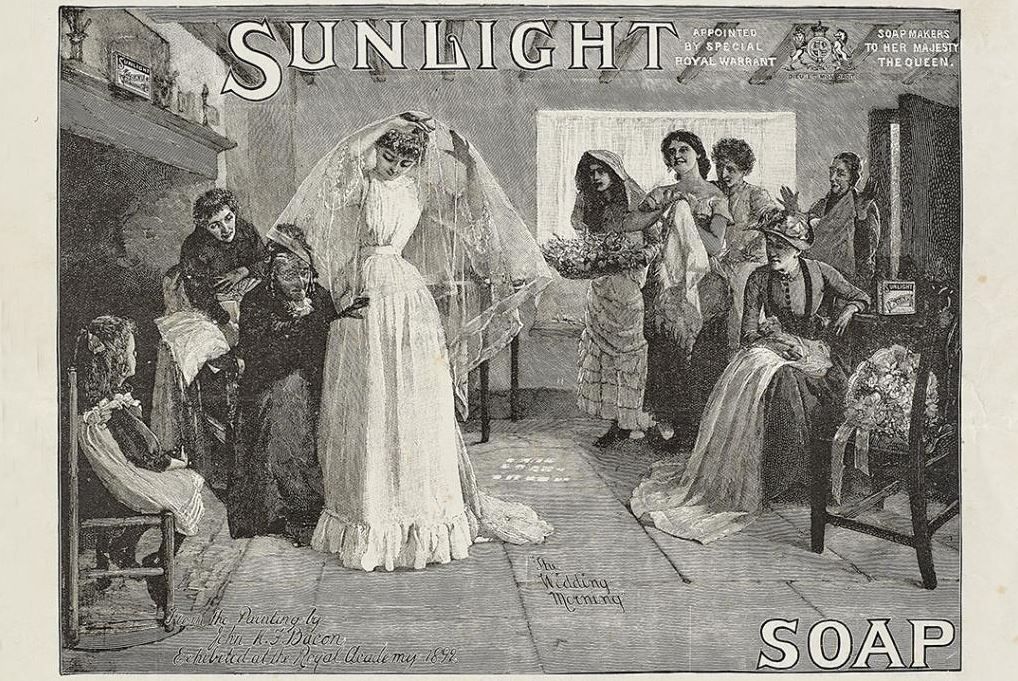
Large temporary advertising existed long before digital print. What changed was the production method. Hand painted display work required considerable labour and skill for every piece. Large format digital printing made full colour artwork repeatable, faster to produce and practical for shorter campaigns, events and local promotions.
The modern result is the familiar printed PVC banner. The production technology has changed dramatically, but the banner still succeeds or fails on the same physical questions: where it is displayed, how far away it is viewed and whether the message can be understood quickly.
Digital print changed what could be reproduced
Large format digital printing allows photographs, gradients, small production runs and repeat artwork to be produced without hand painting each banner. That widened the visual options, but it also made it easier to put too much information into the available space simply because the printer could reproduce it.
A banner is normally seen in context rather than examined like a brochure. The most important information therefore needs to survive distance, movement, weather and competing visual noise. More printable detail is not the same thing as more useful communication.
Finishing determines how the banner behaves on site
Hems, eyelets and the way a banner is tensioned affect both appearance and durability. Artwork should keep important text and logos away from the finished edges and fixing positions. The size of the banner should also suit the available fixing points rather than being chosen only from the dimensions of the design file.
Good printed PVC banners look simple because the design, material and finishing have been planned around the real location rather than treated as separate stages.
The viewing distance should control the design
- Give the main message more space than secondary information.
- Use strong contrast and a type size appropriate to the real viewing distance.
- Keep contact information concise enough to be remembered or acted on.
- Avoid placing critical detail too close to hems and eyelets.
- Check that the display location and fixing method are suitable before finalising size.
Local banners still solve a very physical problem
PVC banners in Croydon, Bromley, and London can be useful precisely because they occupy a specific place. A school event, sports ground, opening, development or local business can put a message directly where the relevant audience already passes.
That is why the format has survived several changes in production technology. A banner does not need to compete with every digital advertising format. It needs to do one physical job well: make a clear message visible in the place where it matters.