Design and public communication
Designing Trust Around Central Bank Digital Currencies
A central bank digital currency would be unfamiliar infrastructure presented to an enormous public audience. That makes language, interfaces, accessibility and institutional trust part of the design problem from the beginning.
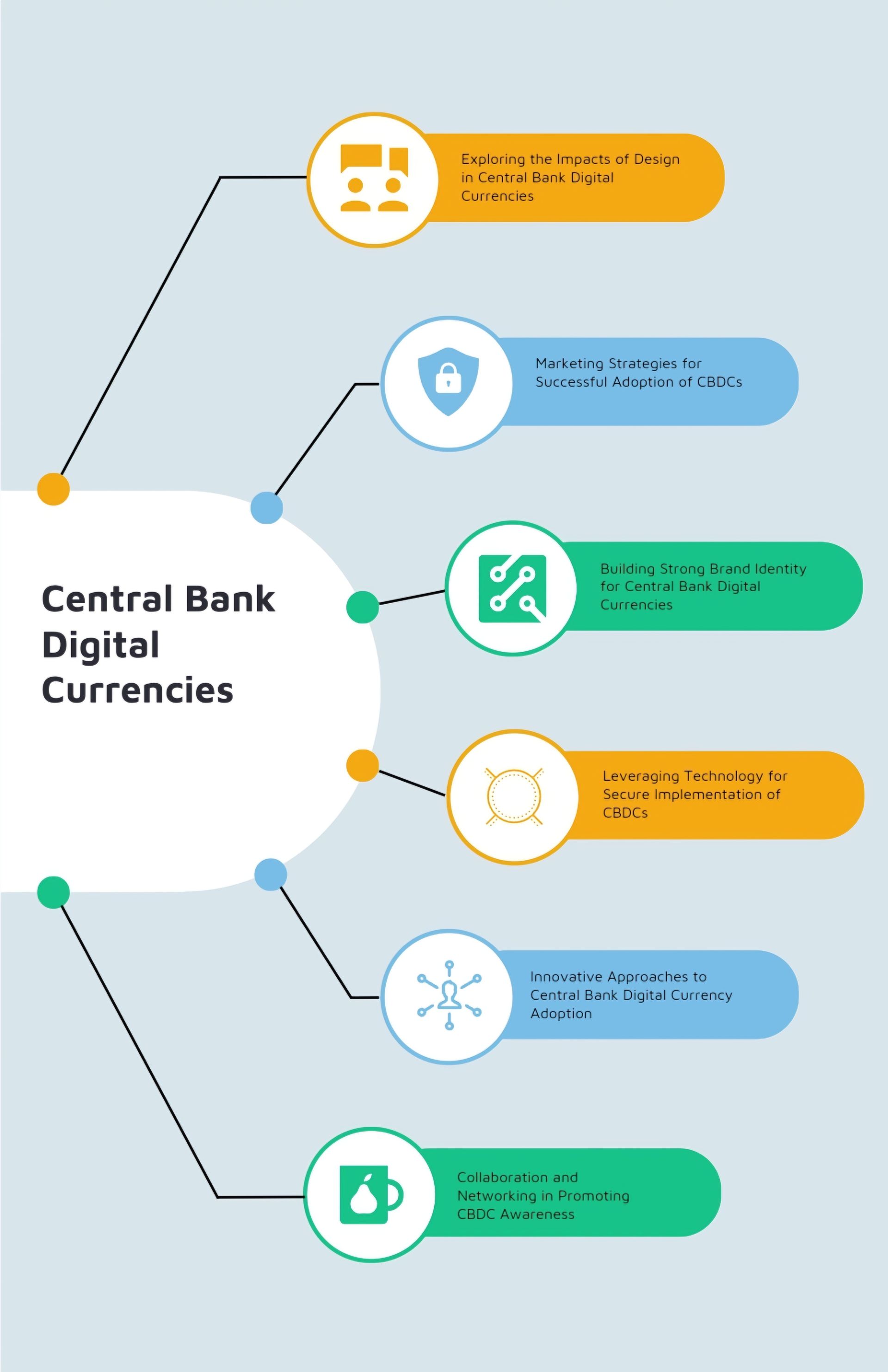
Central bank digital currencies are often discussed through economics, monetary policy and technology. If one ever reaches everyday public use, there is another problem to solve: millions of people have to understand what it is, what it is not and what they are expected to do with it.
That is a design and communication problem as much as a technical one. Trust can be weakened by confusing language, inconsistent interfaces or claims that move faster than policy. Good public communication has to reduce uncertainty without pretending the difficult questions do not exist.
Start by explaining the thing before naming the benefits
The Bank of England describes the digital pound as a potential new form of central bank money for households and businesses. The important word is potential. Published Bank material still makes clear that no decision has been taken to introduce one.
That distinction is exactly why communications discipline matters. A public body exploring an unfamiliar system should separate what is being tested from what has been decided. Otherwise a design concept, experiment or prototype can easily be mistaken for settled policy.
Institutional trust should not depend on visual novelty
A digital currency might invite futuristic visual language, but novelty can work against reassurance. People already understand pounds, payments, bank accounts and cash through familiar conventions. A new system has to make the relationship with those concepts clear before trying to look technologically advanced.
Identity therefore needs restraint. The visual system should help people distinguish official information from imitation, understand where they are in a transaction and recognise who is responsible for each part of the service. Distinctive does not have to mean dramatic.
The interface is where policy becomes experience
Terms such as privacy, resilience, offline payments, limits and interoperability are abstract until a person encounters them in a real interface. The design has to translate policy into actions people can understand: what information is being requested, what happens if a device is offline, who can see which data and what happens when something goes wrong.
The Bank’s current digital pound design phase includes assessment, a blueprint, experiments and stakeholder engagement. That is a useful reminder that interface design cannot be separated from operational and policy choices that are still being tested.
Accessibility has to be structural
A payment system is not an optional lifestyle app. If it is intended for broad public use, accessibility cannot be left to a final compliance pass. Language, contrast, text size, screen reader behaviour, cognitive load, error recovery and alternatives for people with limited connectivity all influence whether the system is genuinely usable.
Public information needs the same care. A beautifully designed campaign still fails if it explains the concept only to people who already understand digital finance.
Neutral communication is especially important for contested ideas
CBDCs attract strong arguments for and against them. A public design system should not try to settle those arguments through tone or imagery. It should make the proposal, safeguards, unresolved questions and decision process easier to inspect.
- Separate confirmed decisions from concepts, tests and future options.
- Use familiar language before specialist financial or technical terminology.
- Design interfaces around clear actions, errors and recovery, not only ideal flows.
- Build accessibility into the system rather than treating it as a later addition.
- Make official sources and responsibilities easy to identify.
- Avoid using branding to imply certainty that the underlying policy has not reached.
Whether the UK ultimately proceeds with a digital pound is a policy decision, not a branding decision. The design task is narrower and still important: if unfamiliar financial infrastructure is being explored in public, people should be able to understand the proposal well enough to form an informed view of it.