Event marketing
British Grand Prix Marketing: Why Major Events Create More Than One Audience
A major sporting event is simultaneously a live experience, a broadcast, a sponsorship platform, a social conversation and a temporary destination. That makes its marketing value broader than any single attendance or impression figure.
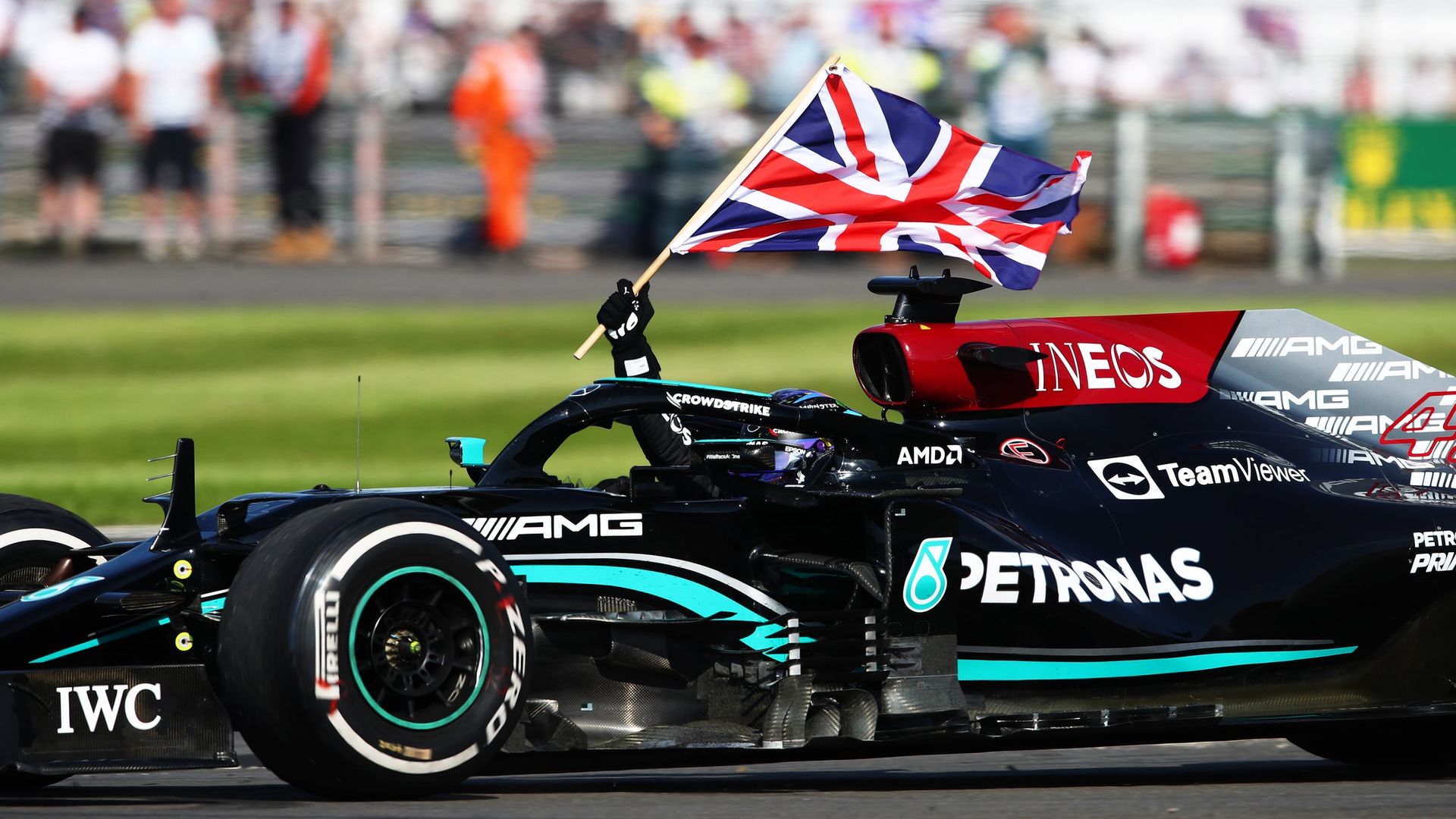
British Grand Prix marketing is often discussed through statistics such as attendance, economic impact, sponsorship and social reach. Those figures should not be repeated as current facts without checking the underlying source and year, particularly when the available reference is only a general homepage rather than a dated report.
The marketing lesson remains useful without relying on those numbers. A major event creates several audiences at the same time: the people at the venue, the people watching elsewhere, the communities around the event, sponsors, media and the much larger group encountering clips, commentary and brand activity around it.
The live audience changes the meaning of the brand exposure
A sponsor seen at a circuit is not encountered in the same way as a display advert on a website. It becomes part of the visual environment of the event. Repetition across barriers, hospitality spaces, broadcast shots and supporting material can make the brand feel embedded in the occasion rather than placed beside it.
Broadcast turns one place into a much larger media property
The physical event happens in one location, but the imagery travels. Cars, team identities, trackside graphics, interviews, podium scenes and crowd shots all create repeated visual surfaces that can be distributed far beyond the people who attended in person.
That is why event marketing is difficult to describe with one reach number. Different audiences see different parts of the experience with very different levels of attention.
Place is part of the marketing
Large events temporarily change the places around them. Hotels, roads, hospitality, local businesses and visitor movement all become part of the experience. Claims about economic benefit need proper dated evidence, but the underlying point is clear: the event is not isolated from its location.
This is similar to the principle behind physical visibility: context changes how a message is encountered. A brand seen inside a meaningful place or occasion is not experienced in the same way as the same logo viewed in isolation.
Sponsorship works when the association makes sense
A large audience alone does not make every sponsorship valuable. The audience, the role of the sponsor, the prominence of the placement and the fit between the event and the brand all matter. Visibility without relevance can still become background noise.
- Separate live attendance from broadcast and social audiences.
- Treat sponsorship as an association, not only as a logo placement.
- Measure different channels with metrics that match the role they actually play.
- Use dated reports when quoting attendance, revenue or economic impact.
- Avoid combining several kinds of reach into one impressive but unclear number.
Use dated sources when quoting event figures
General sources such as www.formula1.com, www.motorsportvision.co.uk, www.visitbritain.com and www.twitter.com can provide useful context, but they do not by themselves verify specific attendance, economic impact or social reach figures. Any statistic should be tied to a dated report or source.
The more durable marketing insight is that major events create value through layers of attention. The physical crowd is only one of them. The strongest analysis separates those layers instead of treating every encounter as the same kind of impression.