Lift identification
Lift Labels in the UK: Durable Identification for Equipment and Maintenance
Lift labels often carry small amounts of information, but that information may need to remain readable through cleaning, servicing and years of use. Material, contrast, fixing and the exact purpose of the label all matter.
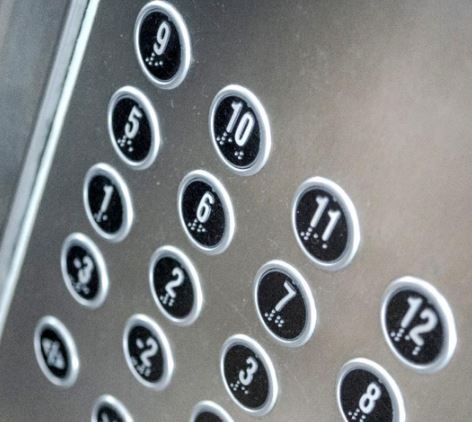
A lift can contain several kinds of permanent identification. Equipment details, inspection information, operating instructions, warnings and maintenance references may all need to remain clear long after the label is fitted. The design therefore has to be judged as part of the equipment rather than as a small printed accessory.
Premium Signs supplies durable elevator labels in the UK for applications where the information, material and fixing method need to work together.
The first question is what the label has to communicate
A serial plate, operating notice and service label do not have the same job. Before choosing a material, establish who needs to read the information, from what distance, how often it may change and whether the content is controlled by a drawing, manufacturer requirement or maintenance procedure.
That distinction prevents permanent information from being mixed with details that may need updating later. It also helps determine whether the label needs variable data, machine readable codes, engraved information or a durable photographic image in anodised aluminium.
Legibility matters more than filling the available space
Small equipment labels can tempt designers to reduce type until every possible detail fits. That can make the final item difficult to read once it is installed inside a cabinet, near reflective metal or in poor light. Clear hierarchy, sensible type size and strong contrast are more useful than squeezing information into every millimetre.
- Protect the size of critical identification and warning information.
- Keep enough clear space around holes, edges and fixing positions.
- Use strong contrast and avoid decorative type for technical information.
- Check the real installed viewing position, not only the artwork at full screen size.
- Separate permanent data from information that may need routine replacement.
Material should follow the environment
Labels fitted to lift equipment may be exposed to repeated handling, cleaning products, oils, heat, dust or abrasion depending on where they sit. The useful specification is therefore the one based on the actual environment. A material that is more durable than necessary can add cost, while an under specified label can become unreadable before the equipment reaches the end of its service life.
Fixing method is part of the design
Adhesive backed labels, drilled plates and mechanically fixed identification all behave differently. Surface condition, temperature, vibration and access for maintenance can affect the right choice. The artwork should allow for that fixing method from the beginning so critical text is not crowded by holes, fasteners or edge clearances.
Lift labels work best when the drawing, material, information and installation conditions are considered as one specification rather than as separate decisions.
Send the controlled information before production
For technical identification, the safest starting point is the approved artwork or drawing, final wording, dimensions, quantity, material requirement and fixing method. If serialisation or variable data is involved, the data source and numbering logic should also be supplied clearly. That gives the manufacturer something definite to work from and reduces the risk of assumptions entering the finished label.