Workwear and branding
Custom Workwear Printing: More Than a Decade of Practical Experience
Branded workwear looks simple when it is finished, but good results depend on the garment, print method, placement, sizing and how the clothing will actually be worn. Nick Hodson has worked with custom workwear for more than a decade.
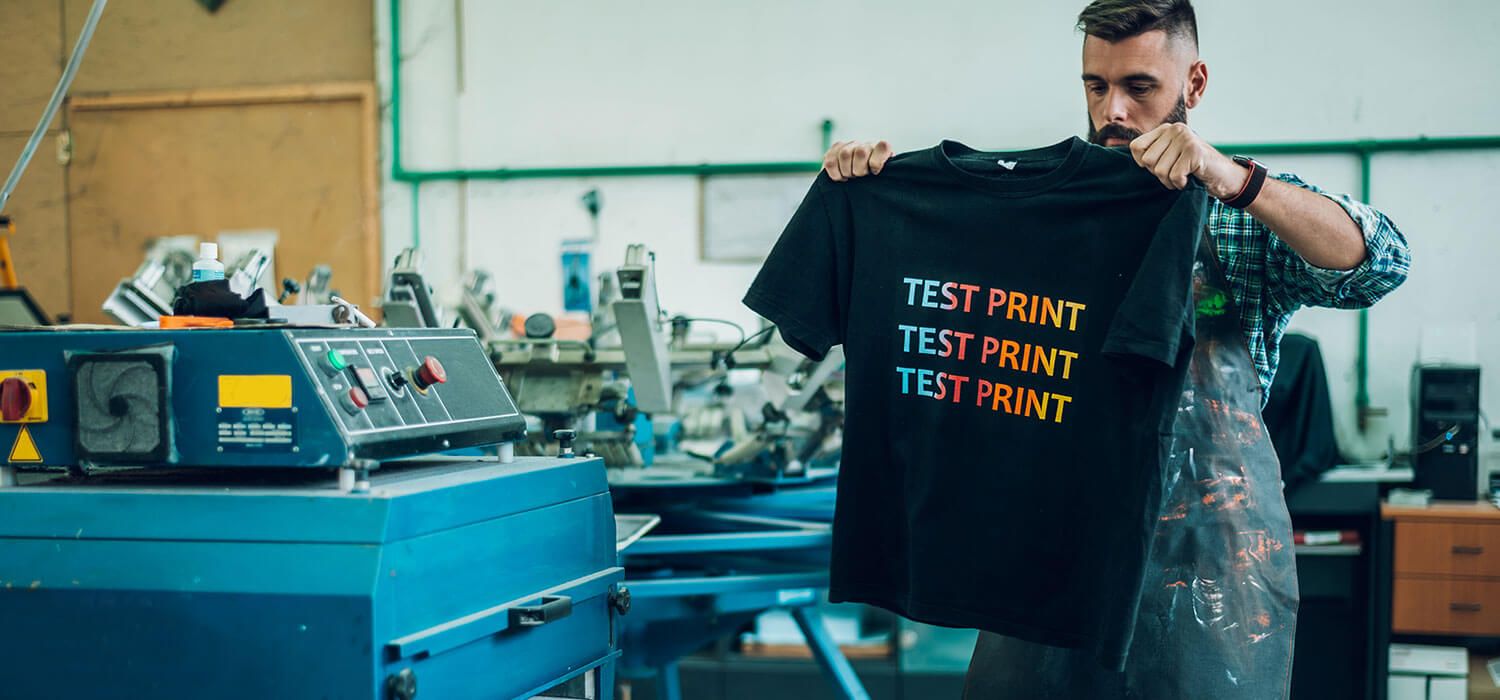
I have worked with branded workwear for more than a decade. The useful lesson from that time is that the finished logo is only one part of the job. The garment has to suit the person wearing it, the decoration method has to suit the fabric and the branding has to remain clear after the item has been worn and washed repeatedly.
Premium Signs provides custom workwear printing for businesses that need clothing to carry the same identity people already see on their vehicles, signs, print and digital presence.
Start with the job the garment has to do
A polo shirt for front of house staff, a sweatshirt for a workshop and a high visibility layer for site work have different priorities. Comfort, movement, temperature, visibility and the number of hours the garment is worn all affect the right choice. Choosing the cheapest blank first and worrying about the branding afterwards usually creates compromises that could have been avoided.
Logo placement needs to work on a person, not a flat template
Artwork that looks balanced on screen can feel too large once it is worn. Chest logos generally need restraint. Back graphics can carry more scale, but they still need to sit comfortably between seams, collars and garment construction. Sleeves and pockets introduce their own limits. The body is moving, so the design has to work while the garment is being used rather than only while it is laid flat for approval.
Custom workwear is most effective when the branding is immediately recognisable without making the clothing uncomfortable or turning every available area into advertising space.
The decoration method should follow the garment and artwork
Different garments and graphics suit different production methods. Fine detail, large solid logos, stretch fabrics and heavier outerwear do not all behave in the same way. The artwork should therefore be assessed alongside the garment rather than assuming one method is automatically right for every order.
The practical question is not simply whether a logo can be put onto the garment. It is whether the result will look right, remain comfortable and stay presentable through the expected working life of the clothing.
Consistency matters when staff and orders change
Workwear is often reordered in stages. New staff join, garments wear out and seasonal layers are added. Keeping the artwork, approximate placement, garment specification and colour choices controlled makes later orders easier to match and stops the identity drifting over time.
- Choose garments for the actual working conditions before choosing by price alone.
- Keep logos readable without making them unnecessarily large.
- Allow for seams, pockets, zips and garment construction when positioning artwork.
- Use a decoration method that suits both the fabric and the artwork.
- Keep specifications consistent so replacement and repeat orders remain recognisable.
Workwear is part of the wider brand people meet
For many businesses, the person arriving at the customer premises is the brand at that moment. Clothing does not need to be elaborate to support that impression. Clean, consistent garments with clear branding can make the business easier to recognise and help the vehicle, signage and staff feel like parts of the same organisation.
That is the practical value of well planned custom workwear printing: it carries the identity into the part of the business customers meet face to face.