Small business visibility
What small businesses should do when Google stops sending the easy clicks
AI search will not recommend every good business. That makes physical presence, direct journeys and owned customer routes feel important again.
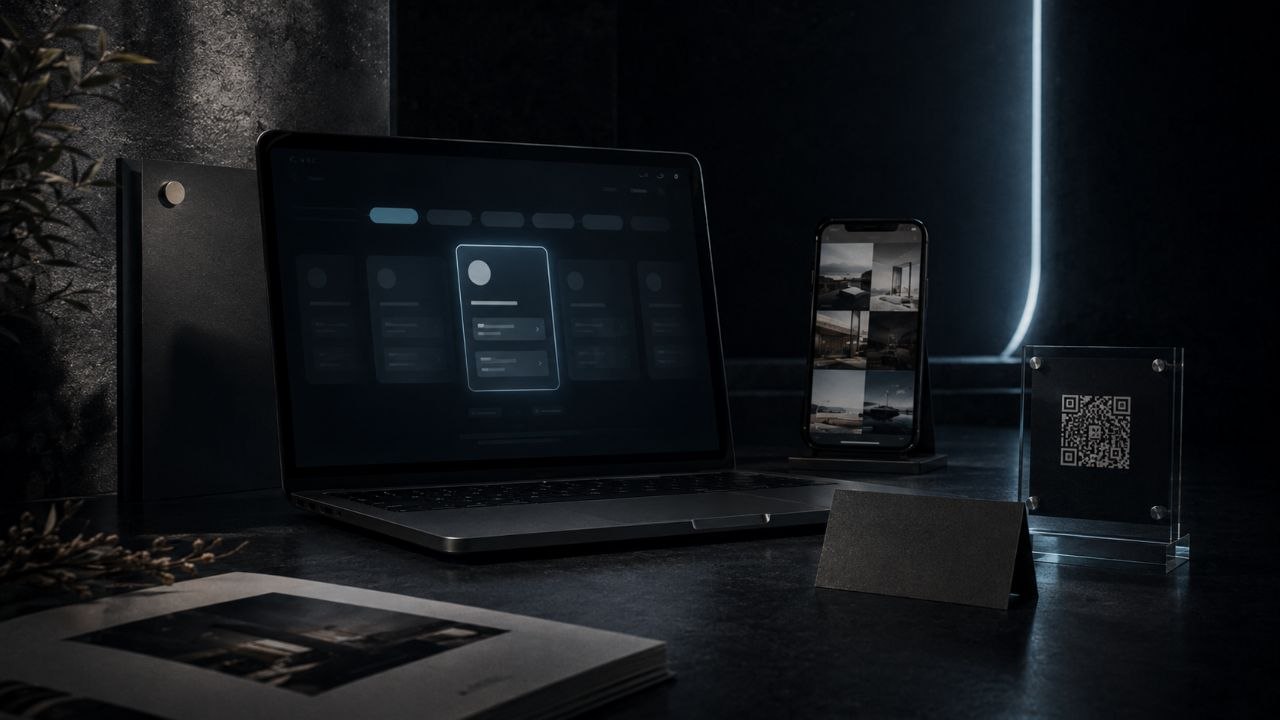
For years, small businesses were told to fight for search positions. Build the website. Write the pages. Chase the keywords. Pay for adverts. Measure the clicks. Watch the rankings. Then do it all again when the rules moved.
Some of that work still matters. A good website is still useful. Clear pages still help customers make sense of what you do. But the centre of gravity is shifting. If more people ask an AI tool for a recommendation instead of searching through results themselves, the old idea of being one of ten blue links becomes much weaker.
AI search creates a harder problem for small businesses. It cannot recommend everyone. Even if ten local companies are good, visible and capable, an answer may only mention one, two or three. The rest have not failed. They have simply not been chosen in that moment.

The fight for one answer is not the same as search.
Traditional search was hard, but at least a business could see parts of the battlefield. You could look at the results page. You could improve a page. You could buy an advert. You could work on reviews, location signals and content. It was never fully fair, but there were visible levers.
AI recommendations feel different. The citation may change by prompt, location, wording, context and timing. A business might appear in one answer and disappear in the next. Another business might be mentioned because its information was easier to interpret, more widely repeated or simply more useful to the model in that moment.
That makes the battle expensive and uncomfortable. You are not only competing for a position. You are competing for inclusion in a compressed answer. There is less space. There is less control. There is often less evidence of why one business was chosen over another.
Small businesses need routes they own.
The obvious response is to spend more. More content. More adverts. More optimisation. More tools that promise visibility in AI answers. Some of that may help. Some of it may become part of normal marketing. But it is a risky place to put all your trust.
A small business should not have its whole enquiry flow sitting inside someone else’s decision system. Google made that clear. Social platforms made it clear. AI search will make it clearer again. If a company controls the route between being noticed and being contacted, it becomes less exposed when platforms change how attention is handed out.
This is where the answer starts to feel old fashioned in a useful way. The businesses that win trust are not always the ones with the loudest online presence. They are often the ones people have seen, met, held, photographed, remembered or spoken to.
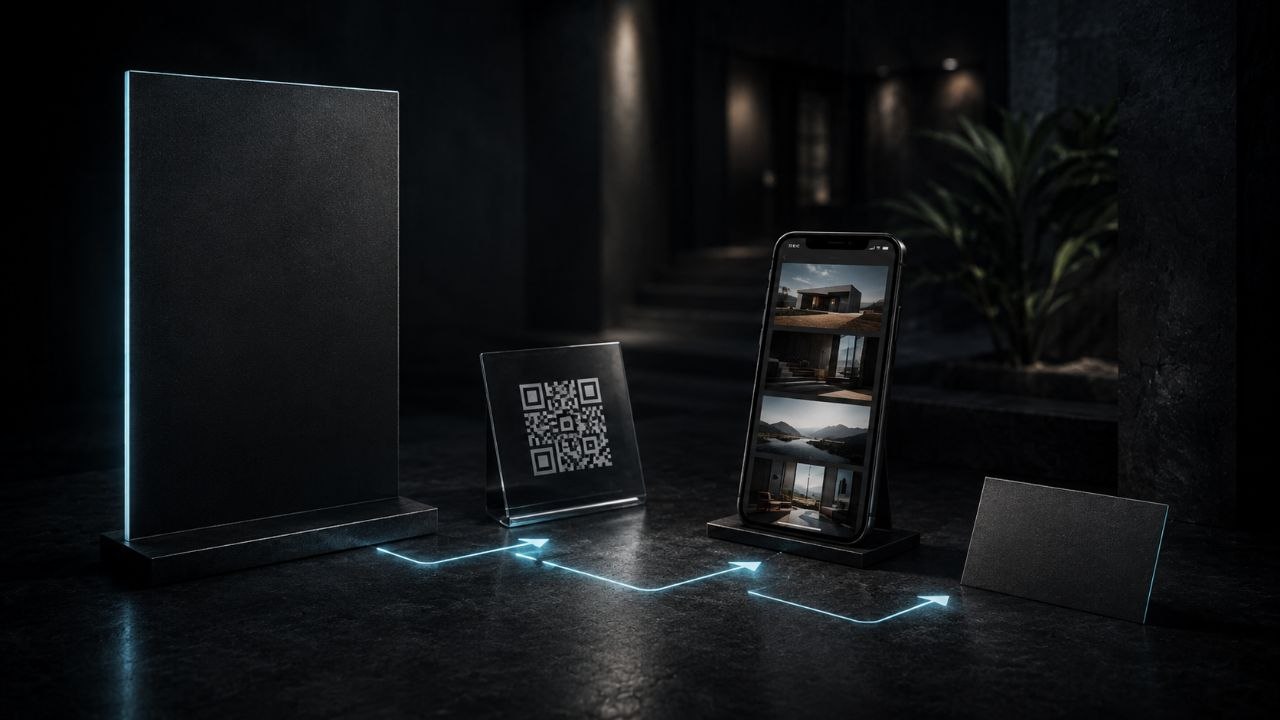
Physical visibility has become underrated.
A van outside a house still tells people something. A sign above a unit still works. A business card handed over after a good conversation still has weight. Print still gives a person something to keep, pass on or scan later. A smile and a clear explanation still do what no ranking report can do.
The point is not nostalgia. The point is control. A sign, a printed card, a QR code, a web link, a vehicle graphic, a leaflet or a portfolio page can all move a customer somewhere specific. Not to a search result where a platform compares you against everyone else. Not to a crowded feed. To a page you chose. To proof you selected. To a conversation you can handle properly.
That is a different type of marketing. It does not ask a corporation to decide whether you deserve attention today. It creates a direct route from a real world moment to a business owned destination.
The website still matters, but its job changes.
Websites used to be treated as machines for attracting search traffic. For many small businesses, that made the website feel bloated. Service pages multiplied. Copy became stiff. Everything was written to satisfy a system before it was written to help a person.
The better future is simpler. A website should make the business easier to trust. It should show the work clearly. It should explain the offer without fuss. It should give every physical touchpoint somewhere useful to send people. A QR code on a card can lead to a portfolio. A van graphic can point to a landing page. A printed brochure can connect to a quote form. A sign can carry a web address people can remember.
Search can still play a part, but it should not be the whole plan. The website becomes the place people arrive after seeing enough to care.
Personality may matter more than position.
If AI answers reduce the number of businesses people see, the businesses that still feel real will have an advantage elsewhere. Identity becomes important. So does tone. So does the grace of how a business presents itself in person and in print. People still choose people. They still respond to clarity, care, confidence and small signs of pride.
A business with a clean sign, a considered van, a decent card, a useful website and a clear path to its best work is not relying on one fragile ranking. It is building memory. It is giving customers more than one way to notice it and more than one reason to trust it.
That feels like where small business advertising may be heading. Not away from digital, but away from blind dependence on digital gatekeepers. Back towards visible, direct, controlled journeys. Back towards the things that worked because they were human, local and easy to understand.